



Demand for Seitan in Japan Forecast and Outlook 2025 to 2035
The demand for seitan in Japan is expected to grow from USD 3.9 million in 2025 to USD 5.6 million by 2035, reflecting a CAGR of 3.7%. Seitan, a popular plant-based protein derived from wheat gluten, is increasingly being embraced by health-conscious consumers and those following vegetarian and vegan diets. As awareness of plant-based nutrition grows, demand for alternatives to traditional meat products, such as seitan, is expected to continue rising.
The increasing popularity of plant-based diets, coupled with a growing interest in sustainable eating habits, is fueling this growth. As consumers become more mindful of the environmental impact of animal agriculture, the adoption of plant-based protein sources like seitan will continue to expand.
Quick Stats of the Demand for Seitan in Japan
- Demand for Seitan in Japan Value (2025): USD 3.9 million
- Demand for Seitan in Japan Forecast Value (2035): USD 5.6 million
- Demand for Seitan in Japan Forecast CAGR (2025-2035): 3.7%
- Demand for Seitan in Japan Leading Product Type: Organic Seitan
- Demand for Seitan in Japan Key Growth Regions: Kyushu & Okinawa, Kanto, Kansai, Chubu, Tohoku, Rest of Japan
- Demand for Seitan in Japan Top Players: Agrana Beteiligung AG, Anhui Ante Food Co., Ltd., Agridient, Inc., Archer Daniels Midland Company, Bryan W. Nash & Sons Ltd
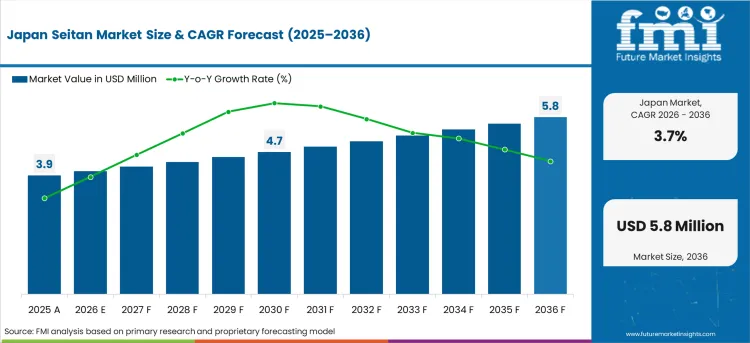

What is the Growth Forecast for the Demand for Seitan in Japan through 2035?
The Japanese food industry is experiencing a shift as consumer preferences evolve. With more individuals seeking healthier, plant-based options, seitan is gaining traction as a versatile protein Alternative. Its ability to replicate the texture and taste of meat, making it an appealing option for those transitioning to plant-based diets, is a significant factor driving demand. Seitan’s high protein content and low fat make it an attractive choice for those looking to maintain a balanced diet. The versatility of seitan in various dishes, from stir-fries to mock meats, is also contributing to its growing popularity.
From 2025 to 2026, the demand will grow from USD 3.9 million to USD 4 million, reflecting a modest increase in consumer adoption. As the trend toward plant-based eating gains further momentum, this figure will continue to rise. By 2030, the demand for seitan will reach USD 4.6 million, driven by a greater variety of products in the industry and more widespread availability in supermarkets and restaurants. As the demand for plant-based food alternatives continues to rise, seitan will remain a key component in Japan’s expanding plant-based food landscape.
From 2030 to 2035, the demand for seitan will continue its upward trajectory, reaching USD 5.6 million by 2035. During this period, demand will be influenced by innovations in seitan-based products, which will cater to an increasingly diverse range of consumers. As more restaurants and foodservice providers include seitan options on their menus, consumer exposure to this alternative protein will increase, driving demand further. The expansion of health trends emphasizing plant-based and functional foods, alongside seitan’s growing role in the plant-based food industry, will ensure that the demand for seitan remains strong through 2035. The increasing availability of seitan in various forms, including pre-cooked and ready-to-eat options, will further boost consumer adoption.
Demand for Seitan in Japan Key Takeaways
| Metric | Value |
|---|---|
| Demand for Seitan in Japan Value (2025) | USD 3.9 million |
| Demand for Seitan in Japan Forecast Value (2035) | USD 5.6 million |
| Demand for Seitan in Japan Forecast CAGR (2025-2035) | 3.7% |
Why is the Demand for Seitan in Japan Growing?
The demand for seitan in Japan is growing as more consumers seek plant-based protein Alternatives. Seitan, often referred to as wheat meat, is made from gluten and is used as a substitute for meat in vegetarian and vegan diets. With the increasing popularity of plant-based and flexitarian diets, seitan has become a favored option due to its meat-like texture, high protein content, and versatility in cooking. As consumers become more health-conscious and environmentally aware, they are turning to plant-based proteins like seitan as part of a sustainable and well-balanced diet.
A significant driver of seitan’s growth is the rising demand for plant-based food products in Japan. With an increasing number of individuals reducing their meat consumption for health or ethical reasons, there is a greater need for quality plant-based protein sources. Seitan, which is rich in protein And readily absorbs flavors, has gained popularity across various culinary traditions, from traditional Japanese dishes to Western-style preparations. As more food products made with seitan become available in retail and foodservice sectors, its accessibility and appeal to consumers have increased.
The growing awareness of the environmental impact of animal agriculture is further contributing to the demand for plant-based diets, including seitan. Many consumers are shifting towards plant-based alternatives as a means of reducing their environmental footprint, as plant-based proteins are typically more sustainable than animal-based proteins. This growing awareness around sustainability, combined with seitan’s nutritional benefits, positions it as a strong contender in the plant-based food sector. As demand for sustainable food options continues to rise, the demand for seitan in Japan is expected to experience steady growth through 2035.
What is the Segment-Wise Analysis of Demand for Seitan in Japan?
Demand for seitan in Japan is segmented by product type, distribution channel, and region. By product type, demand is divided into organic seitan and conventional seitan, with organic seitan leading at 57%. The demand is also segmented by distribution channel, including online stores, supermarkets, specialty stores, and hypermarkets, with online stores leading at 35%. Regionally, demand is spread across Kyushu & Okinawa, Kanto, Kansai, Chubu, Tohoku, and the rest of Japan.
Why Does Organic Seitan Lead the Demand for Seitan in Japan?
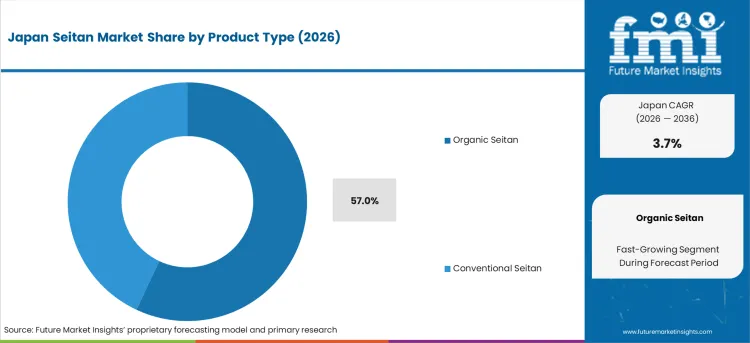
Organic seitan accounts for 57% of the demand in Japan, driven by the growing preference for clean-label and sustainable food products. Organic seitan is made from wheat gluten and is considered a versatile plant-based protein source, making it popular among health-conscious consumers and those following vegetarian or vegan diets. The demand for organic seitan is also influenced by the increasing awareness of the environmental and health benefits associated with organic farming practices.
Consumers are increasingly choosing organic alternatives due to concerns over pesticides, additives, and the environmental impact of conventional agriculture. As the demand for plant-based protein grows in Japan, organic seitan is expected to maintain its dominant position, driven by its perceived health benefits and environmentally friendly production methods.
Why Do Online Stores Lead the Demand for Seitan in Japan?
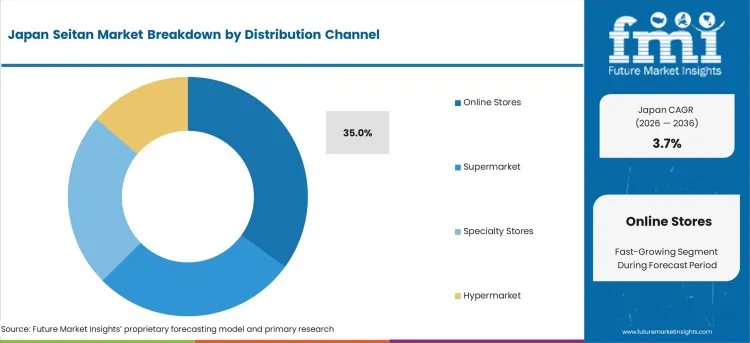
Online stores account for 35% of the demand for seitan in Japan, driven by the convenience, variety, and ease of access they offer to consumers. Online shopping platforms allow customers to explore a wide selection of seitan products from different brands, including both organic and conventional options, all from the comfort of their homes. The growing trend of e-commerce, combined with the increasing demand for plant-based products, has made online stores a key distribution channel for seitan.
Consumers can easily compare prices, read reviews, and find specific seitan products that suit their dietary preferences. The availability of home delivery services makes it even more convenient for consumers, particularly in urban areas. As e-commerce continues to expand in Japan, online stores will remain a dominant channel for purchasing seitan and other plant-based foods.
What are the Key Trends, Drivers, and Restraints in Demand for Seitan in Japan?
Seitan is included among meat substitutes alongside tofu, tempeh, and other protein Alternatives. As awareness of health, environmental, and ethical issues grows, seitan’s meat‑like texture and high protein content make it attractive to flexitarians, vegetarians, and those reducing meat consumption. The expanding vegan and vegetarian industry (and increasing interest among flexitarians) drives demand. Seitan’s adoption remains limited by relatively low consumer awareness compared with more traditional soy‑based proteins, and by its association with gluten, which may deter people with allergies or sensitivities.
Why is Demand for Seitan Growing in Japan?
Demand for seitan in Japan is growing because consumers increasingly value alternative protein sources, and plant‑based eating is gaining mainstream acceptance. The broader growth of the plant‑based food segment reflects shifting diet patterns motivated by health concerns, environmental awareness, and ethical considerations. Many consumers seek meat substitutes that deliver protein And mimic meat texture seitan fits this demand. Foodservice establishments and retailers are gradually expanding offerings of plant‑based meat substitutes, which helps make seitan more visible and accessible. As a result, seitan is gradually shifting from niche macrobiotic or vegetarian industrys to more general interest among flexitarians and health‑conscious consumers.
How are Technological & Industry Innovations Driving Seitan Demand in Japan?
Improvements in plant‑based food processing and product design are boosting seitan’s appeal. Advances in ingredient processing, texturization, and cooking technology allow manufacturers to deliver seitan products with more consistent texture, flavour, and better shelf‑life making them closer to conventional meat substitutes. Foodservice and retail channels now offer a wider variety of plant‑based meat alternatives (wheat‑protein, soy‑protein, etc.), making seitan more available in supermarkets, convenience stores, and restaurant menus. This broader distribution lowers barriers for consumers to try seitan. As plant‑based diets become more socially accepted, seitan benefits from growing general demand for meat alternatives.
What are the Key Challenges and Risks That Could Limit Seitan Demand in Japan?
Despite growing interest, several challenges limit seitan’s broader adoption in Japan. One issue is low consumer familiarity: many Japanese consumers are more accustomed to traditional soy‑based foods such as tofu or natto, while seitan remains less known. Gluten sensitivity or allergy concerns can deter some potential consumers. Also, the dominance of tofu and other established protein Alternatives means seitan competes against well‑entrenched products for shelf space and consumer trust. Taste and texture expectations still vary some consumers may find seitan less satisfying than meat or may not accept its flavour or chewiness which can limit repeat purchases.
What is the Regional Demand Outlook for Seitan in Japan?
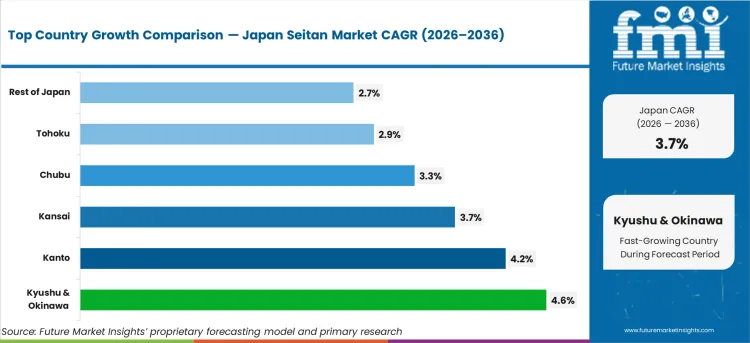
| Region | CAGR (%) |
|---|---|
| Kyushu & Okinawa | 4.6% |
| Kanto | 4.2% |
| Kansai | 3.7% |
| Chubu | 3.3% |
| Tohoku | 2.9% |
| Rest of Japan | 2.7% |
Demand for seitan in Japan is steadily growing across all regions, with Kyushu & Okinawa leading at a 4.6% CAGR, driven by increasing interest in plant-based diets and vegetarian options. Kanto follows with a 4.2% CAGR, supported by the region’s large urban population and growing demand for alternative protein sources. Kansai shows a 3.7% CAGR, with rising awareness of plant-based food benefits in the region’s food culture. Chubu experiences a 3.3% CAGR, as health-conscious consumers and foodservice businesses seek healthier alternatives. Tohoku and the Rest of Japan see moderate growth at 2.9% and 2.7%, respectively, reflecting a gradual shift toward plant-based diets, particularly among younger generations and in urban areas.
How is Demand for Seitan Growing in Kyushu & Okinawa?
Kyushu & Okinawa leads the demand for seitan, growing at a 4.6% CAGR. The region’s increasing interest in plant-based diets and growing health awareness is driving the adoption of seitan as an alternative protein source. In Okinawa, which has a strong tradition of health-conscious living, consumers are becoming more open to plant-based products, including seitan, due to its nutritional benefits and versatility in cooking.
Okinawa’s tourism industry is boosting demand for plant-based dining options, as health-conscious tourists seek out alternative protein-rich meals. Local food manufacturers and restaurants in Kyushu & Okinawa are increasingly including seitan in their menus, offering it as a substitute for meat in traditional dishes. As the region’s population becomes more aware of the environmental and health benefits of plant-based diets, demand for seitan is expected to continue growing steadily.
Why is Demand for Seitan Rising in Kanto?
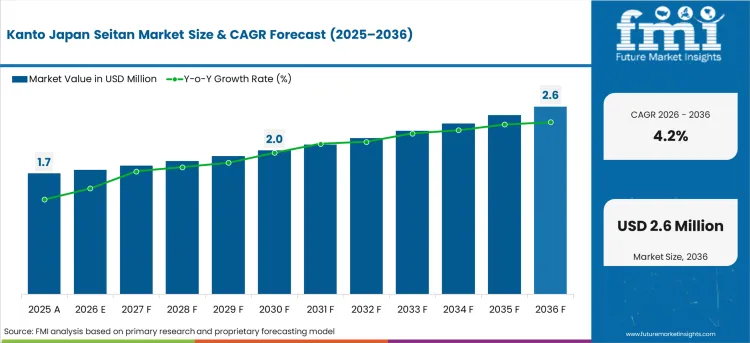
Kanto is experiencing strong demand for seitan, with a 4.2% CAGR. The region’s large urban population, particularly in Tokyo, is a key driver of this growth. As more consumers in Kanto turn to plant-based diets for health, ethical, and environmental reasons, seitan has become a popular alternative protein source. The rise of veganism and vegetarianism, especially among younger generations, is further driving the demand for seitan.
The growing availability of seitan in supermarkets, restaurants, and food delivery services is making it easier for consumers to incorporate it into their meals. With Kanto’s diverse food culture, which includes an increasing number of plant-based eateries, the demand for seitan is expected to continue rising. As consumers seek sustainable and healthier food choices, seitan is becoming an increasingly popular ingredient in the region.
How is Demand for Seitan Expanding in Kansai?
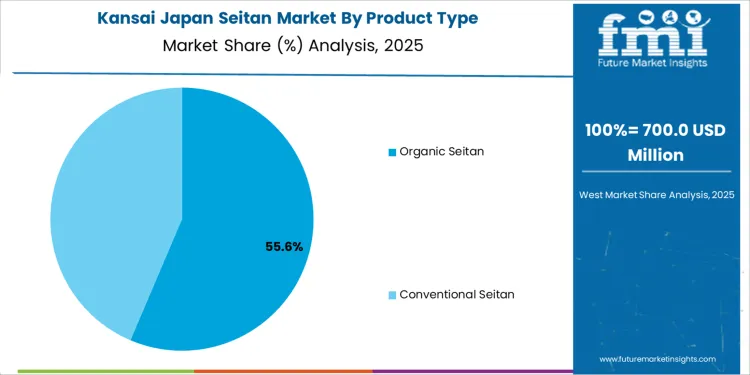
Kansai shows steady demand for seitan, growing at a 3.7% CAGR. The region’s strong culinary culture, particularly in Osaka, is becoming more receptive to plant-based options like seitan. As more consumers in Kansai adopt plant-based diets for health and environmental reasons, seitan is emerging as a popular alternative to meat. Kansai’s foodservice industry, including restaurants and cafes, is increasingly incorporating seitan into their menus, offering it as a protein-rich substitute in traditional dishes.
The region’s growing interest in wellness and plant-based eating, alongside the rising availability of plant-based products in local supermarkets, is contributing to this shift. With more consumers seeking healthier and sustainable food options, the demand for seitan is expected to continue growing in Kansai, especially as food trends evolve toward plant-based and meatless options.
Why is Demand for Seitan Growing in Chubu?
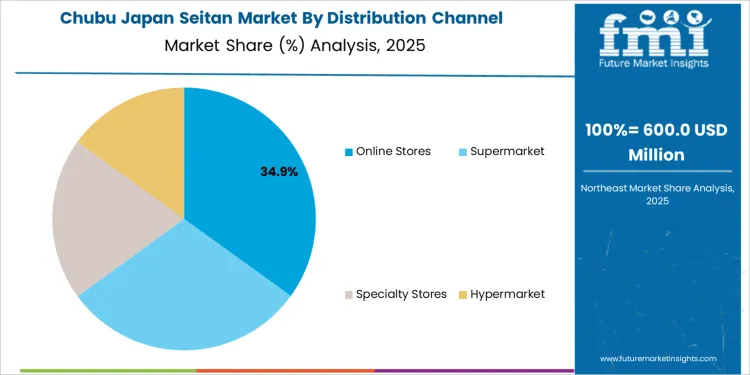
Chubu is experiencing steady demand for seitan, growing at a 3.3% CAGR. The region’s food industry is gradually embracing plant-based alternatives as consumers seek healthier and more sustainable meal options. Seitan, known for its high protein content and versatility, is becoming a popular meat substitute in Chubu, particularly among health-conscious consumers. As more individuals in urban areas like Nagoya embrace plant-based diets, demand for seitan is growing in both retail and foodservice sectors.
Restaurants in Chubu are increasingly offering seitan dishes to cater to the rising demand for vegan and vegetarian options. The growing awareness of the environmental impact of animal agriculture is encouraging more people to choose plant-based proteins like seitan. As Chubu continues to see shifts in consumer preferences toward plant-based diets, demand for seitan is expected to maintain steady growth.
How is Demand for Seitan Expanding in Tohoku?
Tohoku is seeing moderate demand for seitan, with a 2.9% CAGR. Although the region’s consumption of seitan is smaller compared to urban areas, there is a growing trend toward plant-based diets, particularly in larger cities like Sendai. Consumers in Tohoku are becoming more aware of the health benefits of plant-based eating, and seitan is increasingly seen as an alternative protein source. As more local restaurants and foodservice providers introduce plant-based options, including seitan, demand is gradually increasing.
The region’s traditional focus on fresh, locally sourced ingredients is also supporting the adoption of seitan, as more consumers opt for plant-based meals that align with their health and sustainability values. As awareness of plant-based diets continues to spread, Tohoku is expected to see steady growth in the demand for seitan, especially as younger generations embrace these food trends.
Why is Demand for Seitan Steady in the Rest of Japan?
The Rest of Japan is experiencing steady demand for seitan, with a 2.7% CAGR. While the adoption of seitan is slower in rural and smaller cities compared to urban centers, there is growing awareness of plant-based diets and the benefits of alternative protein sources. As more consumers in these areas become health-conscious and environmentally aware, the demand for seitan is gradually increasing. Local food producers and retailers are beginning to offer seitan as a protein Alternative in both supermarkets and foodservice establishments.
The rise of food delivery services and the increasing availability of plant-based meal options are helping to drive demand for seitan. As the Rest of Japan becomes more familiar with plant-based eating, demand for seitan is expected to continue growing steadily, particularly as awareness of sustainable and health-conscious food choices increases.
What is Driving the Demand for Seitan in Japan and Who Are the Key Players Shaping the Industry?
The demand for seitan in Japan is growing as consumers increasingly turn to plant-based and alternative protein sources for health, sustainability, and dietary reasons. Seitan, made from wheat gluten, is a popular meat substitute due to its high protein content and versatility in cooking. With the rise of vegetarianism, veganism, and flexitarian diets, many Japanese consumers are seeking protein-rich alternatives to traditional animal-based products. Seitan’s ability to mimic the texture of meat makes it an appealing choice for those looking to reduce their meat consumption while still enjoying familiar flavors and textures. Japan’s focus on health-conscious eating and sustainability is further driving the adoption of seitan in both home cooking and foodservice sectors.
Key players shaping the seitan market in Japan include Agrana Beteiligung AG, Anhui Ante Food Co., Ltd., Agridient, Inc., Archer Daniels Midland Company, and Bryan W. Nash & Sons Ltd. Agrana Beteiligung AG leads the industry with a share of 20.5%, providing high-quality wheat gluten products that cater to the growing demand for plant-based proteins. These companies are at the forefront of innovation, offering seitan and other plant-based protein solutions for various food applications, including ready-to-eat meals, snacks, and meat alternatives. Their products are increasingly being incorporated into Japan’s evolving food industry, which is seeking to diversify and meet the rising consumer interest in plant-based foods.
The growth of the seitan industry in Japan is further supported by the increasing awareness of the environmental and health benefits of plant-based diets. As demand for meat substitutes continues to rise, seitan is expected to play a significant role in Japan’s food landscape. With continued innovations in flavor, texture, and product offerings, the industry for seitan is poised for sustained growth, catering to both the health-conscious and environmentally-aware Japanese population.
Key Players in Japan Seitan Demand
- Agrana Beteiligung AG
- Anhui Ante Food Co., Ltd.
- Agridient, Inc.
- Archer Daniels Midland Company
- Bryan W. Nash & Sons Ltd
Scope of Report
| Items | Values |
|---|---|
| Quantitative Units (2025) | USD million |
| Product Type | Organic Seitan, Conventional Seitan |
| Distribution Channel | Hypermarket, Supermarket, Specialty Stores, Online Stores |
| Regions Covered | Kyushu & Okinawa, Kanto, Kansai, Chubu, Tohoku, Rest of Japan |
| Countries Covered | Japan |
| Key Companies Profiled | Agrana Beteiligung AG, Anhui Ante Food Co., Ltd., Agridient, Inc., Archer Daniels Midland Company, Bryan W. Nash & Sons Ltd |
| Additional Attributes | Dollar sales by product type and distribution channel; regional CAGR and adoption trends; growing demand for organic seitan in health-conscious industries; the role of online retail in the increasing availability of specialty plant-based products in Japan. |
Japan Seitan Demand by Key Segments
Product Type
- Organic Seitan
- Conventional Seitan
Distribution Channel
- Hypermarket
- Supermarket
- Specialty Stores
- Online Stores
Region
- Kyushu & Okinawa
- Kanto
- Kansai
- Chubu
- Tohoku
- Rest of Japan
Frequently Asked Questions
How big is the demand for seitan in Japan in 2025?
The demand for seitan in Japan is estimated to be valued at USD 3.9 million in 2025.
What will be the size of seitan in Japan in 2035?
The market size for the seitan in Japan is projected to reach USD 5.6 million by 2035.
How much will be the demand for seitan in Japan growth between 2025 and 2035?
The demand for seitan in Japan is expected to grow at a 3.7% CAGR between 2025 and 2035.
What are the key product types in the seitan in Japan?
The key product types in seitan in Japan are organic seitan and conventional seitan.
Which distribution channel segment is expected to contribute significant share in the seitan in Japan in 2025?
In terms of distribution channel, online stores segment is expected to command 35.0% share in the seitan in Japan in 2025.
link