


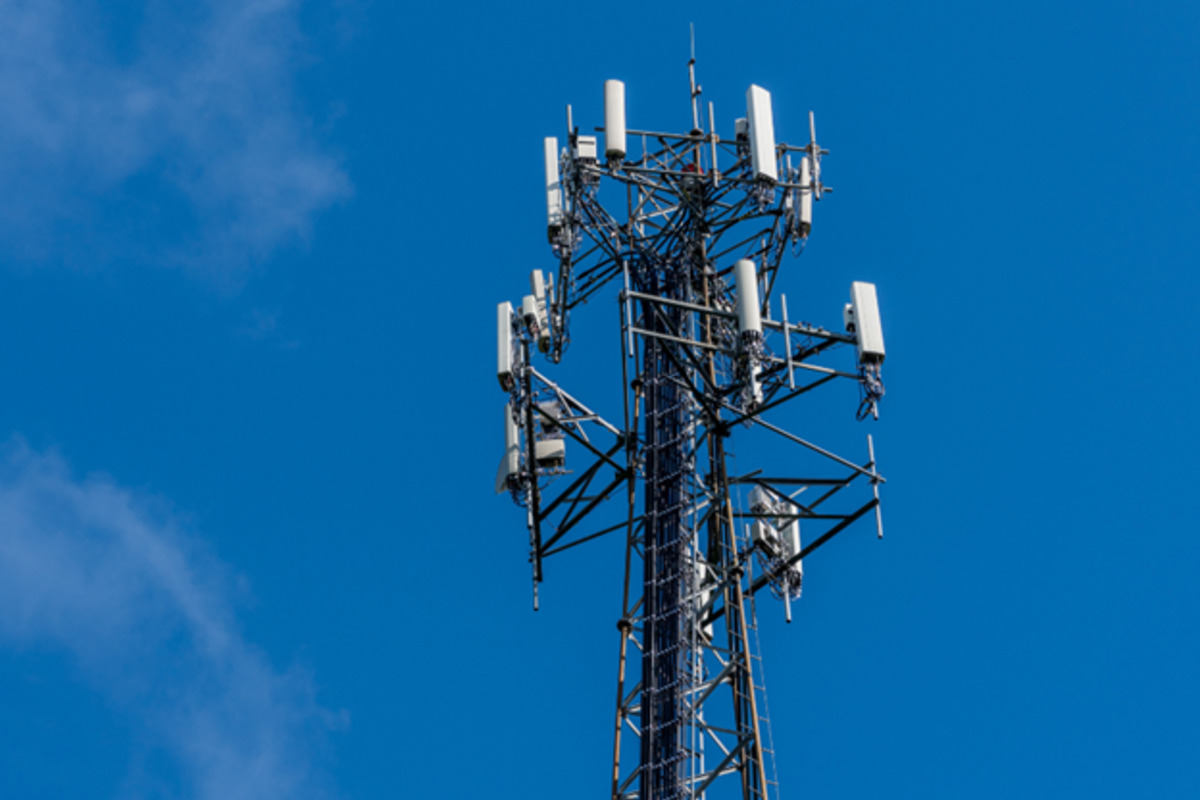
In light of recent events where disasters have disrupted essential communication channels, it’s critical for the public to be acquainted with alternative methods to stay informed. According to an article from the Oregon Office of Emergency Management (OEM), preparing for a communication outage should start with owning a battery-powered or hand-crank emergency weather radio to receive Emergency Alert System (EAS) broadcasts, which remain functional even when modern conveniences such as cell towers and the internet do not, and it’s also recommended to enable Wireless Emergency Alerts (WEA) on your cellular devices for critical updates, though these too rely on cell towers and won’t work if the service is disrupted, which underscores the necessity of the former.
Individuals should also prepare by charging electronic devices in advance and consider alternative charging options like solar-powered devices, and keeping a generator on standby, it’s important too to be familiar with your local evacuation routes, as well as to create physical copies of important contacts and plans, and lastly noting that in event of calling 9-1-1 over internet-based platforms, one’s exact location may not be available to dispatchers, so updating your emergency address within your device’s settings is pivotal, stated the OEM.
Before disaster strikes, signing up for local alert systems can augment one’s preparedness, and in times of outages, knowing evacuation levels and the reliance on community-level information sharing can be life-saving strategies. As updated by the Oregon OEM, amidst the communications blackout, technological advancements like the deployment of Starlink terminals by the OEM have proven instrumental in maintaining emergency connectivity in affected regions, demonstrating the resilience of public and private sector collaborations.
Upon the restoration of communication services, the Oregon OEM advises the public to check official channels like Oregon.gov/oem for verified information, and reminds that even when communications do get reinstated there may be delays due to extensive repairs needed on the damaged infrastructure; thus continuing the use of alternative methods and remaining vigilant for updates is essential. Furthermore, the OEM stresses that 9-1-1 should be reserved solely for reporting imminent dangers and provides additional resources in their Be2Weeks Ready toolkit for those seeking to better prepare themselves for such emergencies.
link