
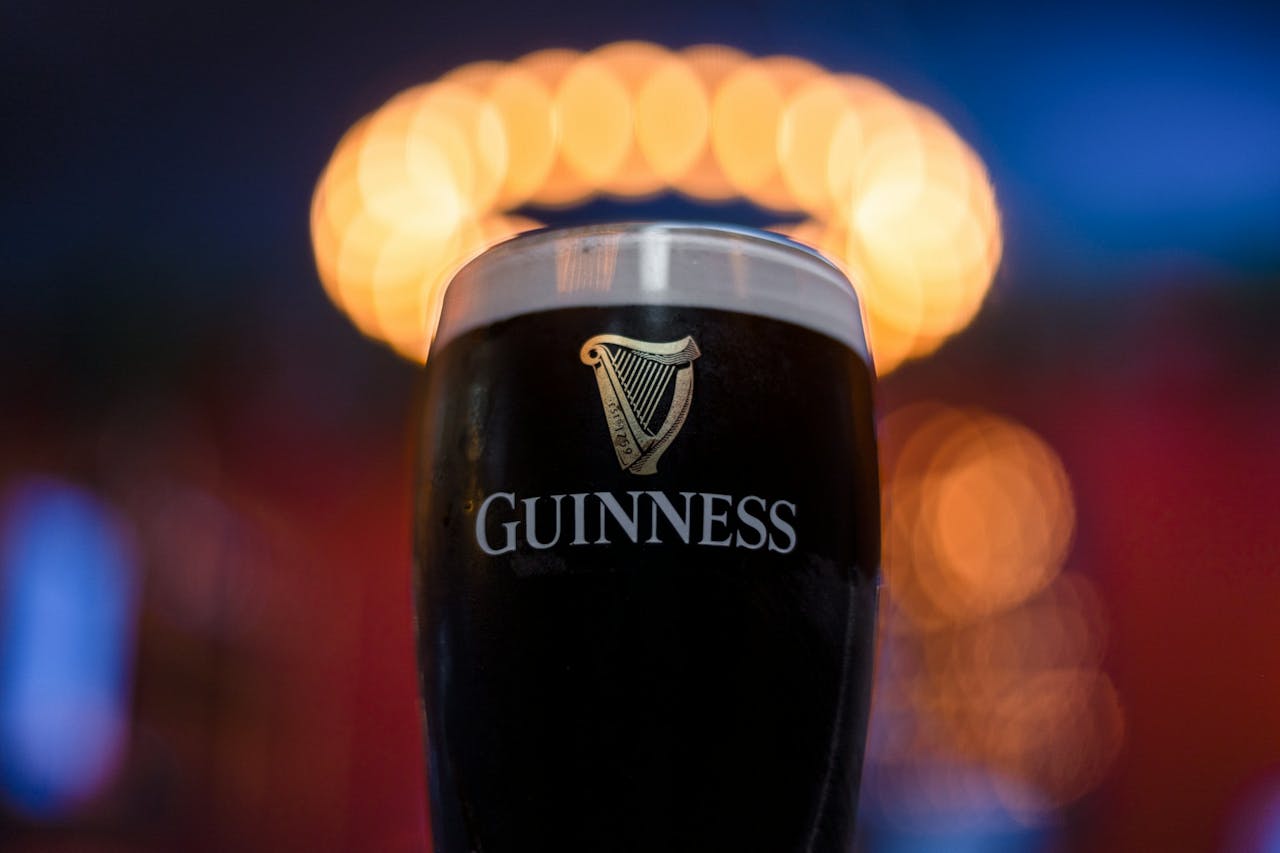
Debra Crew’s sudden departure underscores investor frustration, slowing sales and the need for leaner, smarter marketing.
Diageo boss Debra Crew is out after barely a year at the helm, with the drinks giant accelerating plans to slash $500m in costs and sell underperforming brands. It is a dramatic move but not a surprising one.
Shares have lost around 45% of their value since Crew was named chief executive, a fall that even Guinness’s strong UK sales cannot disguise. Crew’s sudden exit “by mutual agreement” underlines how urgently Diageo needs to fix its strategy and restore investor faith.
Diageo chairman Sir John Manzoni offered polite thanks for Crew’s “contributions,” but behind the scenes there is little mystery about the pressure. One City source said that investor unease has been building for a long time.
The structural hangover
Diageo is the world’s biggest spirits company, with brands like Johnnie Walker, Smirnoff and Gordon’s Gin. It should be a reliable cash machine. Instead, it is struggling to adapt to a very different drinking culture.
The pandemic era was a cocktail boom at home. Locked-down consumers boosted sales to record highs. But that was a one-time surge. As people returned to bars or cut back entirely, Diageo’s sales flattened.
Latin America has been a particular headache, with the company warning last year of a 20% sales decline in the region. Over-ordering and economic stress created inventory problems that will take time to clear.
The US, Diageo’s most important market, has not helped. High inflation has battered household budgets on both sides of the Atlantic. The company’s 2024 results showed North American sales falling 2.5%, with overall group sales slipping 1.4%.
Analysts have called out Diageo’s slow response to shifting consumer trends. Dan Coatsworth of AJ }Bell told The Telegraph that the company seemed oblivious to younger people’s declining interest in alcohol.
The CEO debate
Crew was not an outsider parachuted in. She was promoted from within, having served as North American boss and chief operating officer under the respected Sir Ivan Menezes. Her background as a former US Army captain with stints at Kraft Foods and Nestlé looked like the ideal profile for Diageo’s first female chief executive.
But the stock cratered on her watch. In November, Diageo issued a profit warning that caused its worst single-day fall since 1997. By May, it was promising $500m in cuts to calm investors.
A City banking source said that the business was doing very well when she took over, suggesting she was not the change agent Diageo needed for a tougher environment.
Even Crew’s pay reflected the downturn. She reportedly earned about £3m (around $3.8m) in her first year, much less than Menezes’s £10m (about $12.7m) the prior year.
Interim leadership, real pressure
CFO Nik Jhangiani now becomes interim CEO. He is relatively new to Diageo, having joined from Coca-Cola last year, but has credibility with investors for his disciplined approach.
Jefferies described him this week as a heavyweight CFO who could bring fresh perspectives on cost control. The $500m in planned cuts and targeted brand sell-offs are clearly part of that strategy.
But cutting costs alone will not fix Diageo’s bigger problem: how to reignite growth in a market that is structurally tougher. Analysts say that while cost cuts help protect profits and the dividend, Diageo needs to return to real growth.
That means tackling hard questions about consumer demand, brand relevance and pricing in markets under pressure from inflation and trading-down trends.
Sector-wide headaches
Diageo is not the only drinks giant struggling. Competitors like Pernod Ricard and Remy Cointreau have also announced CEO changes, restructuring plans and profit warnings.
Consumers are pulling back under pressure from high interest rates and inflation. Younger drinkers are choosing low- or no-alcohol options, or skipping alcohol altogether.
Even activist investors have warned about the impact of weight-loss drugs that reduce appetite for alcohol, a factor star fund manager Terry Smith reportedly cited when selling his Diageo stake.
This is not just about Diageo’s management. It is an industry-wide reckoning with the end of the pandemic party.
Marketing implications: leaner, tougher, but essential
For marketers, Diageo’s shake-up is more than a cautionary tale. It is a preview of an era where big consumer brands will scrutinize every dollar.
The $500m cost-cutting plan signals tighter marketing budgets, leaner agency contracts and more intense demands for proof of ROI. Agencies will need to defend their value, not just rely on long-standing relationships.
But there is opportunity too. Diageo’s best brands, from Johnnie Walker to Guinness, are built on world-class creative and sharp positioning. That playbook is even more important when growth is hard-won.
The real challenge is to help Diageo innovate without losing what makes its brands iconic. Premium experiences, low- and no-alcohol lines and sustainability commitments cannot be mere buzzwords. They are essential to keeping the portfolio relevant to a generation questioning alcohol’s role.
Suggested newsletters for you
Daily Briefing
Daily
Catch up on the most important stories of the day, curated by our editorial team.
Weekly Marketing
Friday
Stay up to date with a curated digest of the most important marketing stories and expert insights from our global team.
The Drum Insider
Once a month
Learn how to pitch to our editors and get published on The Drum.
link



More Stories
After Rare Sales Decline, Wingstop Targets AI Kitchens, Loyalty, and Marketing to Reignite Growth
Cotton, rice hit marketing year highs in mixed week for U.S. export sales
Oracle AI Agents Transform Marketing, Sales, and Service for CX